
 Owen Willson
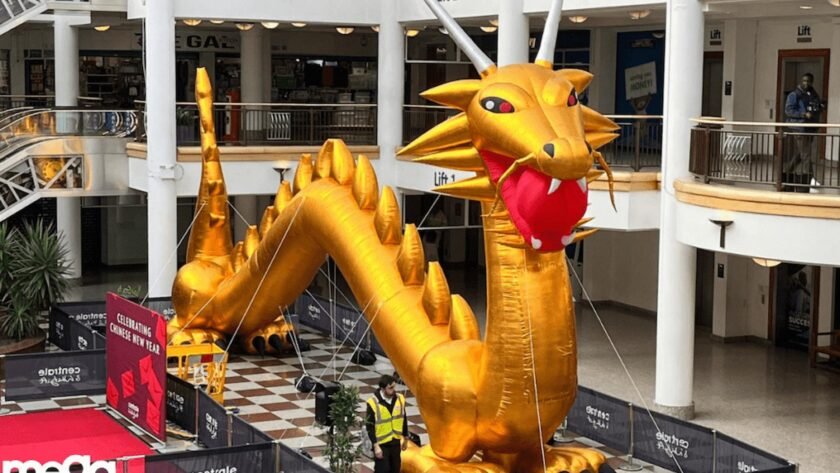
 Giant custom inflatables have become a familiar sight at festivals, sporting events, product launches, and promotional campaigns. Their scale, visual impact, and flexibility make them a powerful tool for drawing attention and creating memorable experiences. Companies such as ABC Inflatables specialise in designing and producing these large structures, but what often goes unnoticed is the careful planning behind their storage, transport, and installation.
Behind every towering inflatable arch or oversized branded figure is a detailed logistical process. From deflating and packing to secure transportation and precise setup on-site, each stage requires expertise and coordination to ensure both safety and efficiency.
Understanding the Nature of Giant Inflatables
Unlike rigid structures, inflatable installations are made from durable yet flexible materials such as PVC or nylon. These materials are lightweight when deflated but can expand into large, complex shapes when filled with air. This flexibility is what makes them practical for events, but it also demands specific handling techniques.
Giant inflatables are often custom-designed to match branding or event themes. This means each piece may vary in size, shape, and structure, requiring tailored storage and transport solutions rather than a one-size-fits-all approach.
How Giant Inflatables Are Stored
Proper storage is essential to maintain the longevity and performance of inflatable structures. After an event, the inflatable must be carefully deflated, cleaned, and packed before being stored.
The process typically involves:
- Complete deflation to remove all air and reduce bulk
- Cleaning and drying to prevent mould, mildew, or material degradation
- Folding or rolling in a way that avoids creases or stress points
- Protective packaging using bags or containers to shield against dust and damage
Storage environments are equally important. Inflatables should be kept in a cool, dry space away from direct sunlight and extreme temperatures. Exposure to moisture or heat can weaken the material over time, reducing durability and performance.
Professionals like ABC Inflatables often use designated storage facilities with controlled conditions to ensure each piece remains in optimal condition between uses.
Transporting Large Inflatable Structures
Transporting giant inflatables may sound straightforward due to their collapsible nature, but it still requires careful planning. Even when deflated, these structures can be heavy and bulky, especially for larger installations.
Transport considerations include:
- Vehicle selection: Vans or trucks with adequate space are essential to accommodate the packed inflatable and associated equipment such as blowers and anchoring systems.
- Weight distribution: Proper loading ensures stability during transit and prevents damage to the inflatable.
- Protective packing: Using padded covers or reinforced bags helps prevent tears or abrasion.
- Handling equipment: For very large inflatables, trolleys or lifting aids may be needed to move them safely.
Timing also plays a role. Transport schedules are often aligned closely with event timelines to ensure timely delivery without unnecessary delays or prolonged storage on-site.
Setting Up Inflatables at Large Scale Events
The setup phase is where planning and preparation come together. Although inflatables are designed for relatively quick installation, large-scale versions still require a structured approach.
Site Assessment and Preparation
Before installation begins, the event site must be assessed. This includes checking the ground surface, available space, weather conditions, and access to power sources. A flat, stable surface is ideal to ensure the inflatable stands securely once inflated.
Inflation Process
Inflation is carried out using high-powered electric blowers. These machines continuously pump air into the structure, maintaining its shape and stability throughout the event.
The process involves:
- Positioning the deflated inflatable correctly
- Connecting blowers and ensuring a stable power supply
- Gradually inflating the structure while monitoring alignment
- Adjusting positioning as needed during inflation
Depending on size and complexity, inflation can take anywhere from a few minutes to over half an hour.
Securing the Structure
Once fully inflated, the structure must be anchored securely. This is a critical step, particularly for outdoor events where wind and weather conditions can pose risks.
Common anchoring methods include:
- Ground stakes for grass or soft surfaces
- Weighted ballast systems for hard surfaces
- Tie-down ropes to maintain stability
Safety checks are carried out to ensure all anchor points are secure and that the inflatable remains stable under varying conditions.
Key Considerations for Efficient Setup
Handling giant inflatables at events requires attention to detail and coordination. Event organisers and suppliers must consider several factors to ensure smooth operations:
- Weather conditions: Strong winds or heavy rain can affect stability and may require additional precautions or adjustments
- Power supply: Continuous airflow is essential, so reliable power sources and backup options are important
- Team coordination: Setup often involves multiple people working together to position, inflate, and secure the structure
- Time management: Efficient setup ensures the inflatable is ready before the event begins without causing delays
Experienced providers like ABC Inflatables typically manage these aspects seamlessly, ensuring installations are both safe and visually impressive.
Maintenance During the Event
Once the inflatable is set up, it still requires monitoring. Although designed for durability, ongoing checks help maintain safety and performance throughout the event.
This includes:
- Monitoring air pressure and blower performance
- Checking anchor points regularly
- Inspecting for any signs of wear or damage
- Ensuring the structure remains properly aligned
Quick responses to any issues help prevent disruptions and ensure the inflatable continues to perform as intended.
Dismantling After the Event
At the end of an event, the dismantling process mirrors the setup but in reverse. Air is gradually released, and the structure is carefully collapsed and packed.
Key steps include:
- Turning off blowers and allowing controlled deflation
- Folding or rolling the material neatly
- Inspecting for any damage before storage
- Packing securely for transport
Efficient dismantling ensures the inflatable is ready for its next use while maintaining its condition.
Why Professional Handling Matters
While inflatables may appear simple, managing large-scale versions requires expertise. From safe anchoring to efficient transport and proper storage, each stage plays a role in ensuring success.
Professional providers bring:
- Experience in handling complex installations
- Knowledge of safety standards and best practices
- Access to specialised equipment and facilities
- The ability to adapt to different event environments
This level of expertise helps organisers avoid common pitfalls and ensures that inflatables remain a reliable and impactful feature at events.
Conclusion
Giant custom inflatables offer a practical and visually powerful way to enhance large-scale events, but their success depends on careful preparation and professional handling. From secure storage and protective packing to efficient transport, accurate positioning, safe inflation, and reliable anchoring, every stage plays an important role in maintaining safety, durability, and visual impact.
Proper event inflatable setup also helps prevent delays, damage, and operational issues during busy promotional campaigns, festivals, exhibitions, and outdoor events. When managed correctly, giant inflatable structures can deliver strong brand exposure, improve audience engagement, and create a memorable focal point. With the right planning and specialist support, custom inflatables remain one of the most effective tools for large event branding.